SEO & AI Search · September 21, 2026
The website is now an answer source
Search is no longer only a ranked list of links. A useful site must be easy for people, search engines, and answer engines to understand and cite.
By Mike Jewett, Beal Street Media
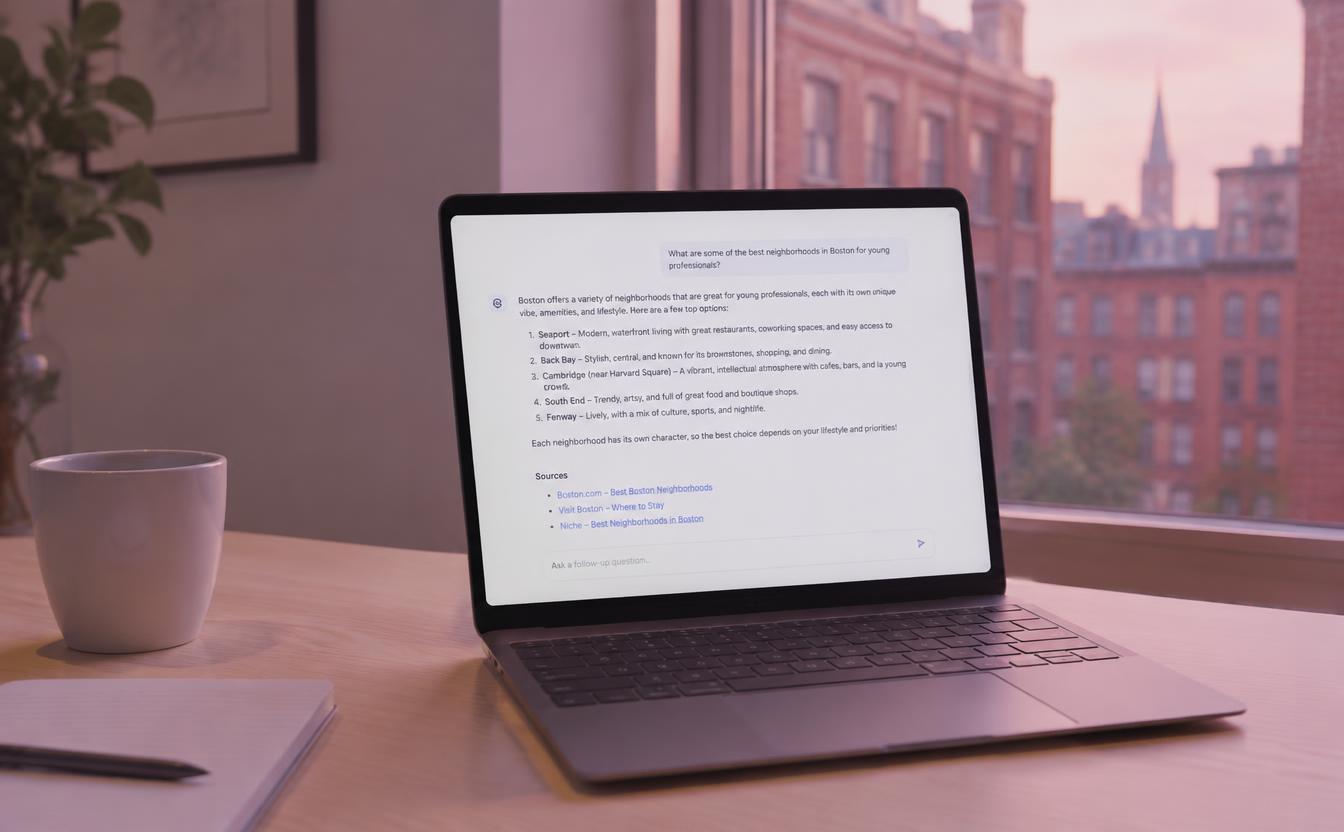
Search strategy used to center on earning the click. That still matters, but it is no longer the whole assignment. Google summaries, conversational search, and AI assistants increasingly assemble answers before a visitor reaches a site. The practical response is not to write for robots. It is to make expertise easier to verify.
Make the answer visible
A strong page names the question it answers, gives a direct response, and then supplies the evidence. Specific language beats inflated language. Original observations, named authors, dates, locations, and source links give both readers and machines something firm to work with.
Structure is part of the writing
Clear headings, descriptive page titles, useful internal links, and valid structured data help search systems understand relationships between ideas. They also help human readers scan. Good information architecture is not a technical layer applied after the copy; it is editorial work.
Earn citation, not just attention
The pages most worth citing contain something that cannot be found everywhere else: a firsthand result, a local detail, a comparison, a useful definition, or a clear point of view. Generic content has never been persuasive. In answer-driven search, it is also easy to ignore.
For organizations with real expertise, this is good news. The work is to document what you know in a form that can be found, understood, and trusted.