Case Studies · November 17, 2026
Recovery Boston: giving community stories a digital home
A Greater Boston publishing platform built around recovery stories, local voices, and useful community resources.
By Mike Jewett, Beal Street Media
Recovery Boston is a regional platform connecting stories, voices, and resources across Greater Boston’s recovery community. My work brought those elements into a website where the community itself is the subject, rather than a generic organization profile.
Let the stories lead
A story-led website needs to make room for different experiences. It should help readers and viewers discover a person’s perspective without flattening every contribution into the same promotional message.
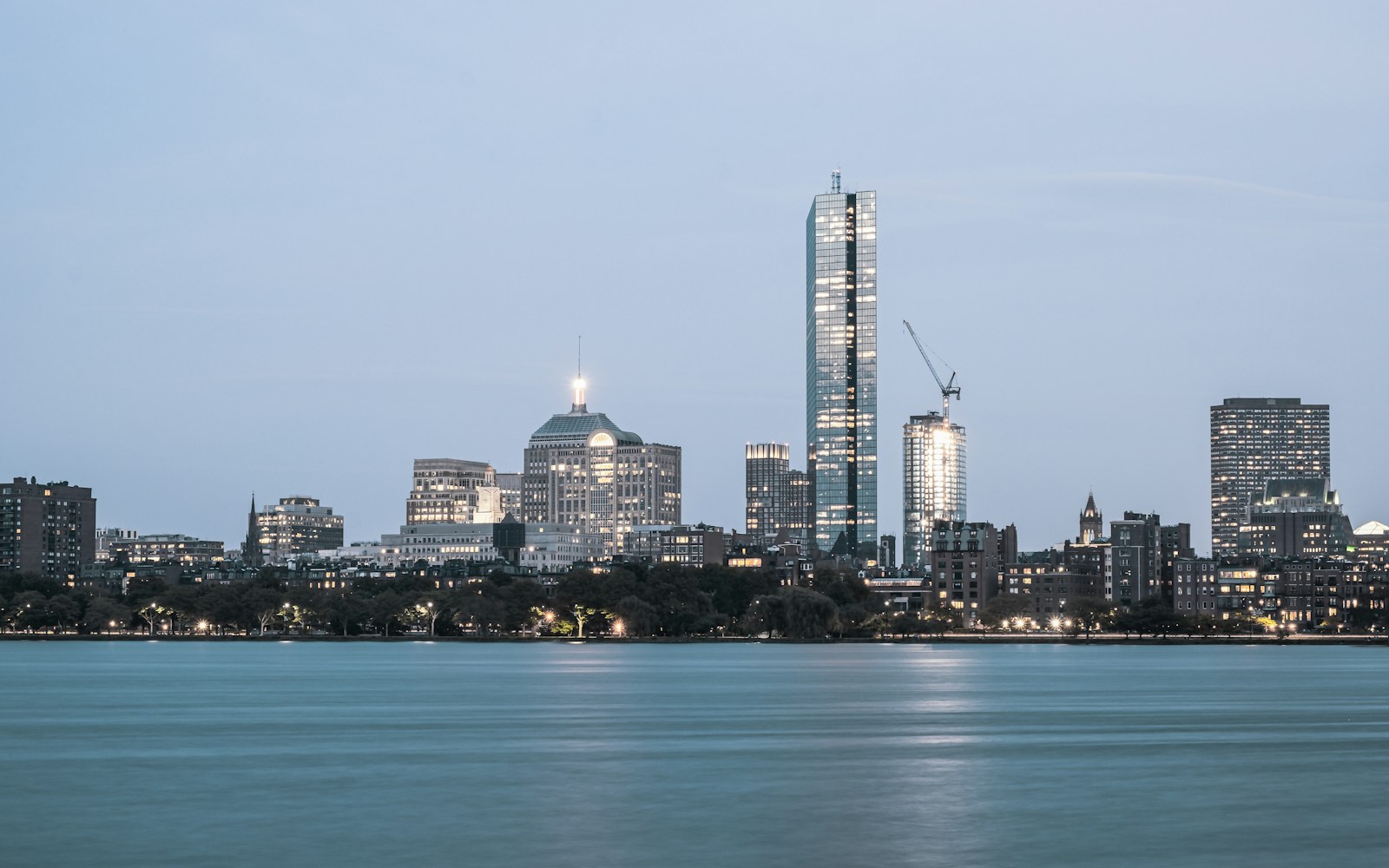
Recovery Boston’s homepage combines a Boston skyline setting with video stories and a “Share Your Story!” invitation. Those elements give the site both a sense of place and a clear reason to participate. The design ties a regional identity to the people who make the platform meaningful.
Video belongs in a publishing system
Video is content, not just decoration. On a community publishing site, the surrounding words matter: a useful title and a short explanation give visitors a reason to watch and help them understand what they are choosing.
There is also a practical lesson for anyone maintaining a video-heavy website. Embedded players and thumbnails can load separately from the page itself. Check the experience on a phone and a slower connection, and do not assume that a screenshot taken immediately after opening the site shows the finished page.
Community publishing requires editorial judgment
Publishing recovery stories calls for care. As a general editorial practice, organizations should establish consent, review identifying details, and make it clear how contributors can ask questions about their material. These are ongoing responsibilities, not claims that a particular website feature can replace.
The same care should guide search-facing copy. Clear names, places, and descriptions help explain what a page contains. Sensational headlines may attract attention, but they are a poor fit for a platform grounded in people’s lived experiences.
A local website with a distinct purpose
The project illustrates an approach I bring to community websites: give the content a recognizable home, make the next step visible, and let the people’s voices carry the page. Greater Boston is the setting; the stories are the reason to visit.
Project: recovery.boston. Stock photo: Wenhao Ruan on Unsplash, showing the Boston skyline across the Charles River.